


Developed by Freebird Games
Published by Freebird Games
Reviewed on PC (available on Steam)
“Luck’s for lotteries, we’re professionals.”
Finding Paradise is the full-length sequel to the 2011 RPG To The Moon, written and created by Kan Gao and published by Freebird Games. Known for its writing and heart-wrenching sadness, this series allows the player to consider how each decision a person makes in their youth affects every aspect of their lives as they grow older. This includes the point where when a person is on their deathbed, do they think about what might have been, their regrets, or what they would have done differently?
In this series, a company known as Sigmund Corp has developed technology to alter memories; however, this comes at a high cost: the person whose memories are altered soon dies. So Sigmund offers this procedure to people who are deemed to be near death so that the person may die having rid themselves of those regrets and what-ifs, allowing them to die in peace, even if it is a false peace. But they can’t just cause a person’s memories to just all of a sudden give them the end they desired. There has to be an internal logic to the change.
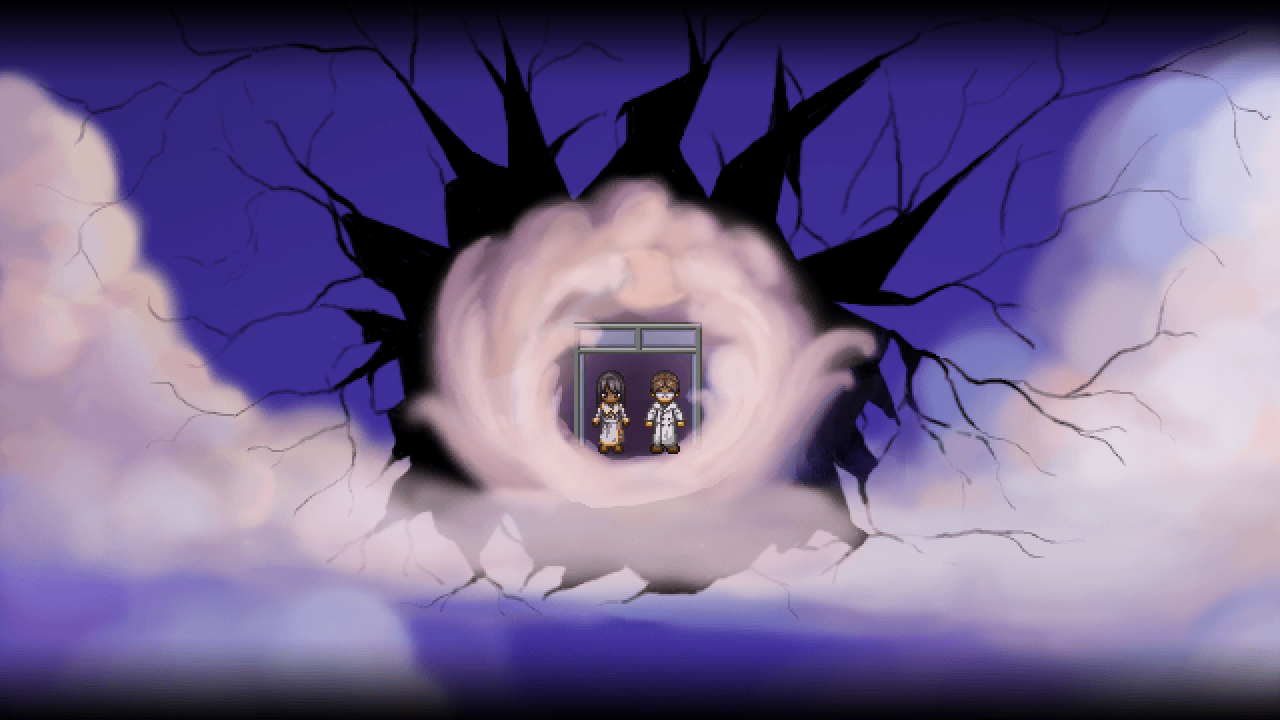 Finding Paradise picks up where the last minisode left off: Sigmund Corp doctors Eva Rosalene and Neil Watts, memory traversion specialists, are on their way to fulfill Colin Reeds’ dying wish. Colin’s wish is to have a fulfilling life…while changing as little as possible about the life he has already lived. He is also the main character from A Bird Story, though it is not required to have played that minisode in order to play Finding Paradise, it does give a bit of insight into Colin’s character. The doctors have to travel through his memories, through mementos, objects that link to past memories, in order to travel backwards through his life to start enacting the small changes needed to give Colin the end he always wanted.
The gameplay is exactly like that of To The Moon, which isn’t a bad thing. Its simple interface requires a very short learning curve. If you can play Tetris, you should have no trouble playing Finding Paradise. Once a memento is found, it must be “charged.” That is, a mini game begins which is almost Columns-like in its appearance and execution: orbs must be moved in order to cause most, or all, of the orbs to line up and disappear. Throughout the game, this is the most common type of puzzle that will be encountered.The only buttons required for 99% of the game are the arrow keys and the Enter button. For the other 1% of the game, the spacebar and Q key come into play. Unlike most RPGs, there’s no fighting except for one scene reminiscent of a fighting game and another similar to a horizontal scrolling shooter.
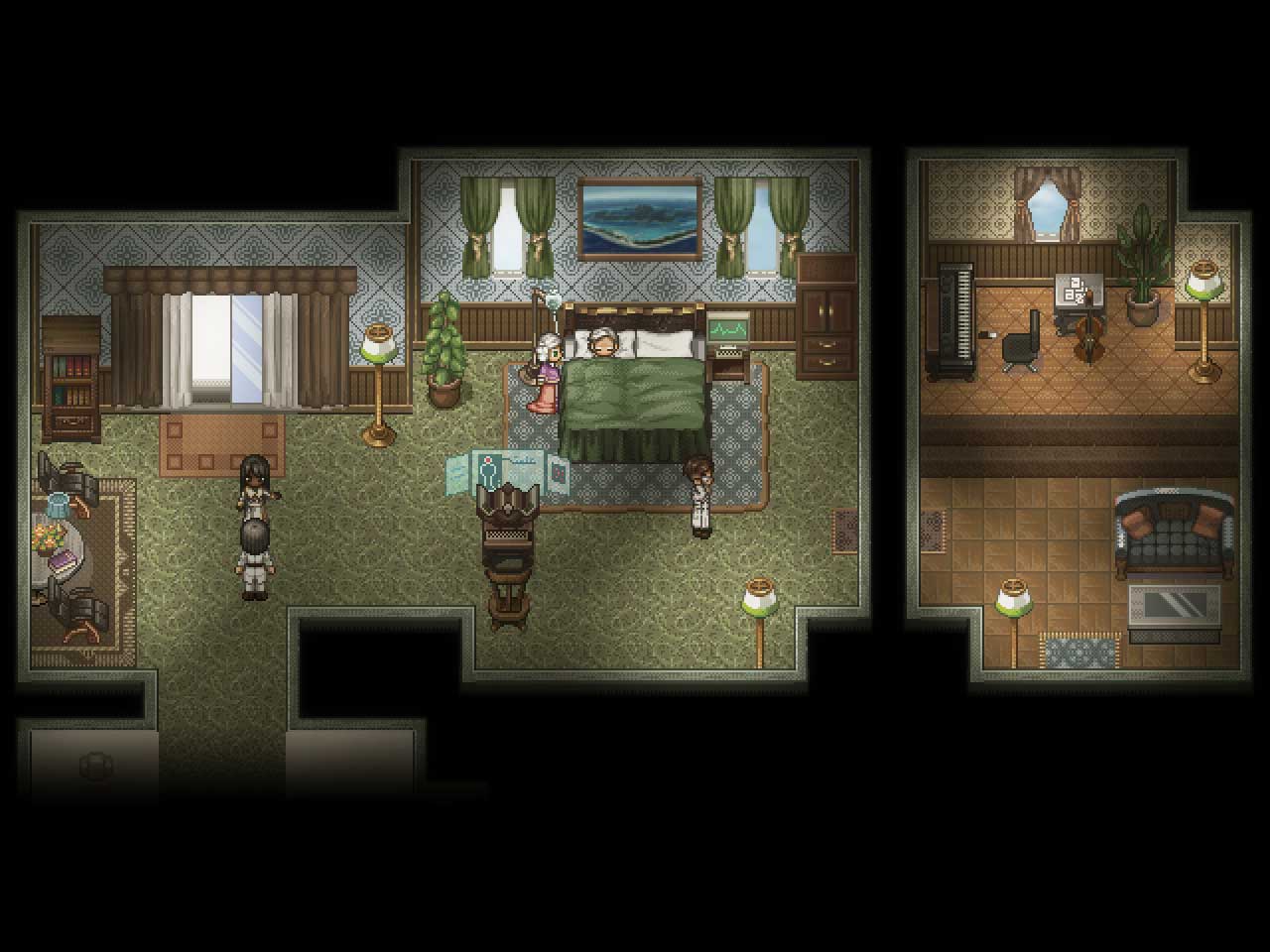
Graphically, the game appears like an old 16-bit RPG, like something from the Super NES era. Like its predecessor, it was created using the RPG Maker XP software with new character designs created by Gao and a small team of graphics artists. The music is peaceful and the story makes you think about life and how your actions since youth mold you into the person you become as an adult. The game uses some of the same cues from To The Moon with new compositions mixed in. Laura Shigihara again shines with her theme, “Wish My Life Away”. It has the same effect that To The Moon’s “Everything’s Alright” has: uncontrollable tears as the song perfectly sums up the game’s story in the saddest way possible.

The story is really where this game shines. Many people, myself included wondered how Gao could replicate To The Moon without, well, copying it beat for beat. I feel that Finding Paradise works extremely well as a follow-up. It does not detract from it and adds more to the story and overall universe without negating anything that has come before. The story begins with Rosalene and Watts being dispatched to Reed’s house where they meet his doctor, son, and wife. The son and wife are less than thrilled with their arrival, but are resigned to allow Colin’s wishes to be carried out, despite their reluctance at the possibility of being erased from his life.
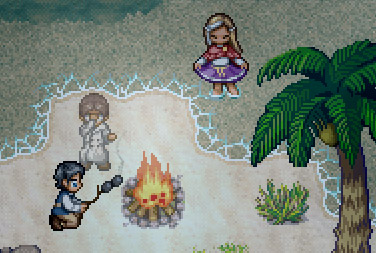 The two set up their machine (and terrorize Colin’s neighbor) and dive into his mind. While bouncing between his youth and his elderly years, the pair discover Faye, Colin’s neighbor from when he was a boy who pushed him to learn the cello and take up flying. But why isn’t she in his later years? What happened to her? How are the pair expected to grant Colin’s last wish when it was so vague to begin with? Further along, in other jobs, the pair steadily go through a person’s life from old age, to near old age, to middle age, and on back to young adult, adolescence, and eventually to childhood. This time, there’s a cyclic path, old age to childhood back to old age and back to childhood, slowly coming to an issue that needs to be resolved in young adulthood. What could be causing this problem?
All while playing this game, one quote kept creeping into my mind as I played through all the moments of Colin’s life, from youth to adulthood to middle age and eventually to his old age. It’s from Doctor Who, an Eleventh Doctor quote: “We all change, when you think about it, we’re all different people; all through our lives, and that’s okay, that’s good, you’ve gotta keep moving, so long as you remember all the people you used to be.”
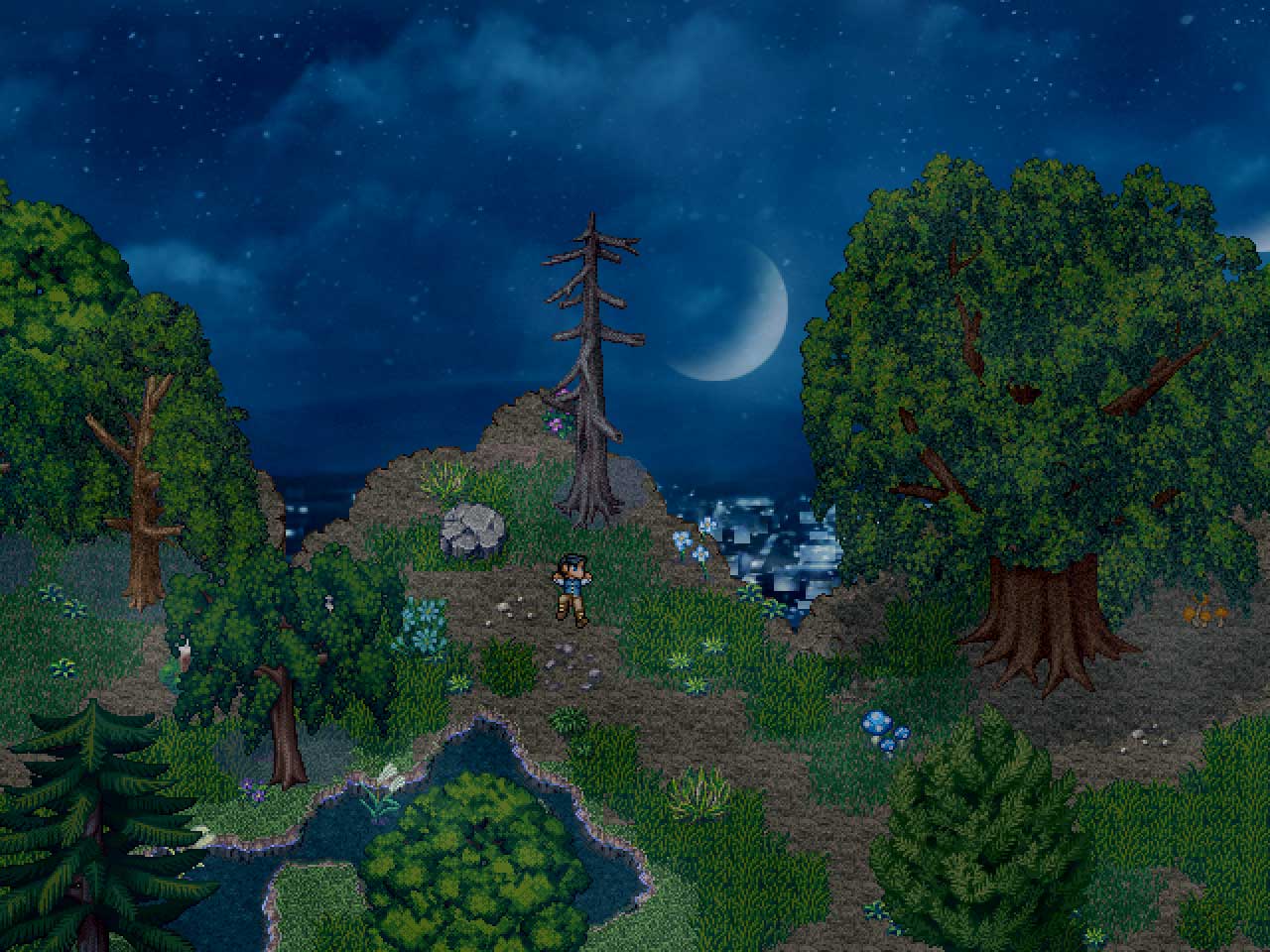 That’s what this game does. It reminds the player that they too are different from how they were when they were young versus how they are now. This is a game as much about the story as it is about each of us as we all traverse through life.
