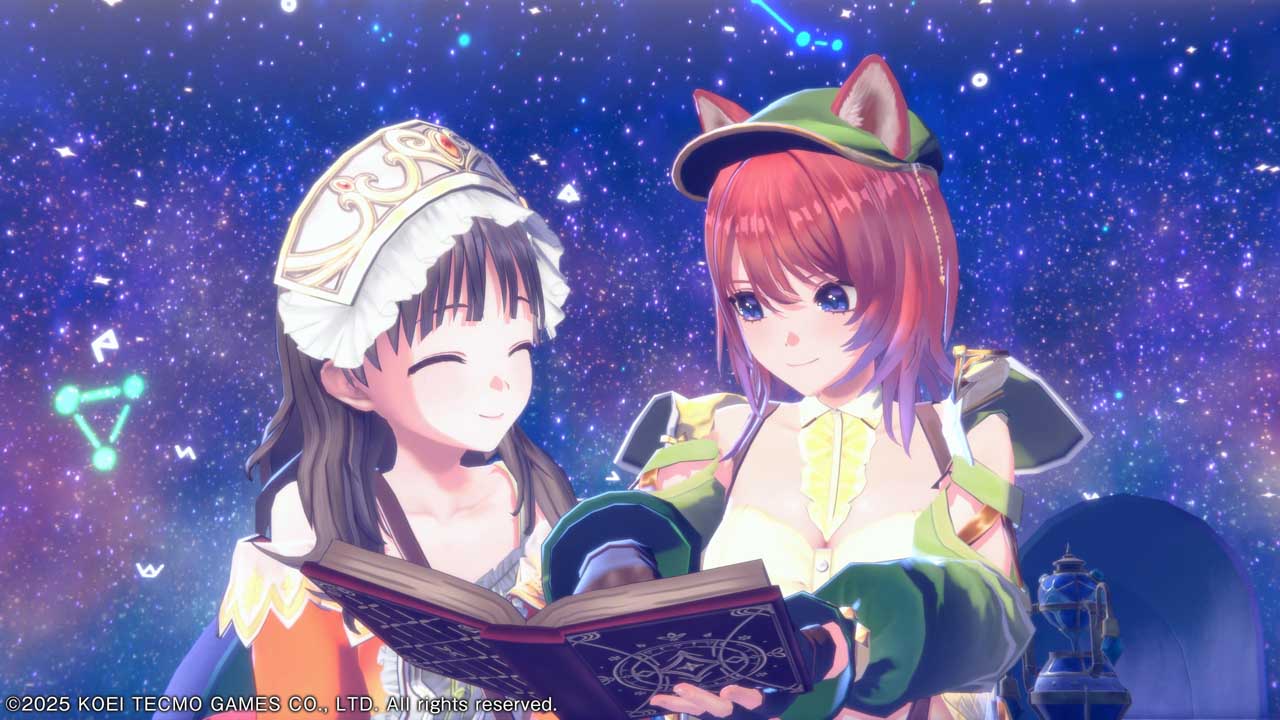
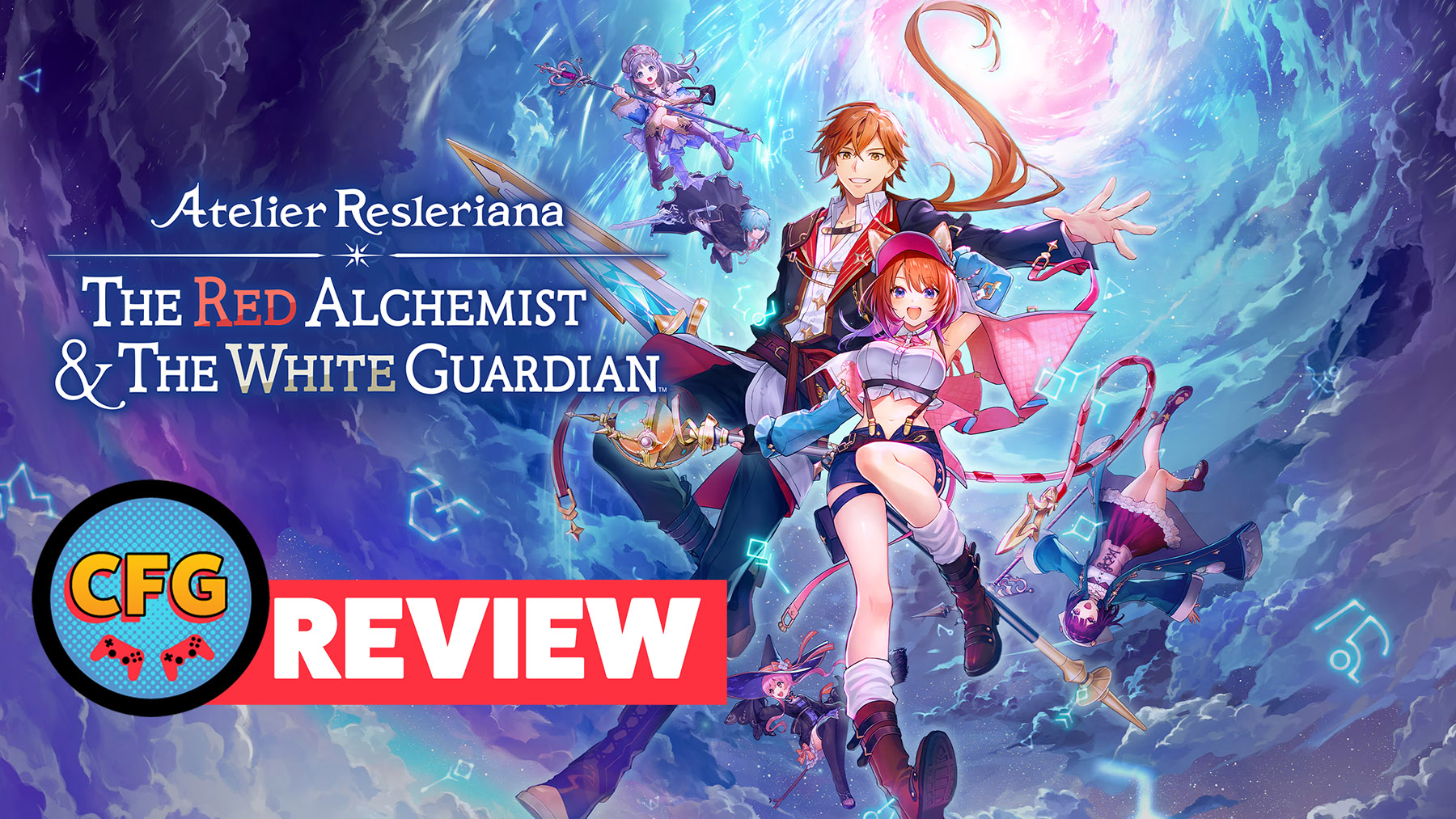
Throughout its nearly three decade history, the Atelier franchise has introduced numerous distinct subseries. While some games like Nelke & the Legendary Alchemists: Ateliers of the New World have mashed these subseries together, none have been a full-fledged roleplaying game until now. Atelier Resleriana: The Red Alchemist & the White Guardian carries the spirit of the mobile game Atelier Resleriana: Forgotten Alchemy and the Polar Night Liberator. Despite taking place in the same universe, it is a separate adventure that features plenty of characters from Atelier’s legacy.
The adventure begins in Hallfein, a seemingly ordinary pastoral land with a mysterious tragic past. Rias and Slade stumble upon an otherworldly atelier full of unfamiliar equipment. They soon utilize their alchemic knowledge to help restore their town, and they venture across all sorts of locales as they investigate the legacy of alchemy and odd phenomena.
While Atelier Resleriana: The Red Alchemist & the White Guardian introduces new characters, its character cameos are by far its most defining feature. These feel like a roller coaster as you never know who is appearing next or when they may appear. Sometimes these guest appearances seem arbitrary as characters literally jump into scenes from nowhere, which happens time and time again. These cameos’ dialogue can feel a bit too brief, . However, the playable characters’ banter is entertaining as these alchemists chat about their unique experiences from their home worlds. During a sequence referencing a certain air-headed protagonist from the Arland games, I chuckled as the characters had wild misconceptions. But even if players do not know the inside references, the game does just enough to contextualize everyone.
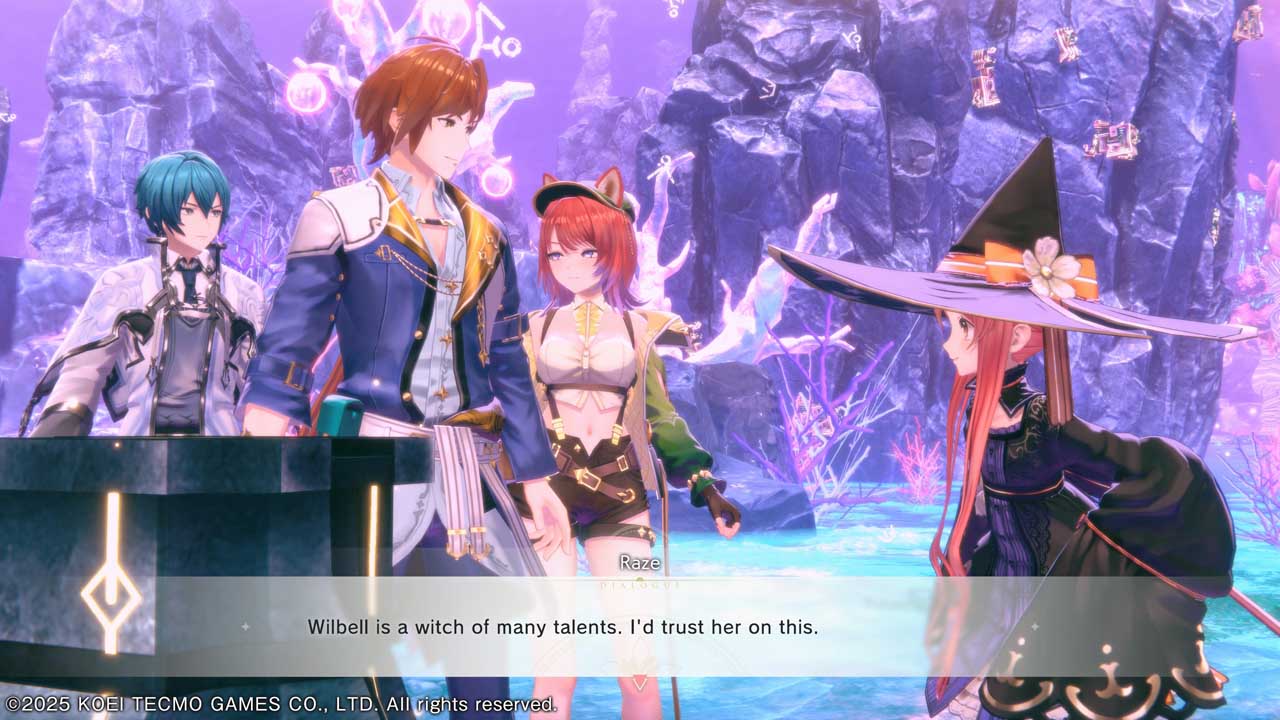
Rias and Slade’s personalities and design initially seemed a bit too ordinary. However, despite their archetypal personalities, their cheesy heartfelt interactions become endearing as they learn to work together. They effectively act like “neutral” observers as players encounter the game’s melting pot of Atelier characters. Furthermore, there is just enough mystery sprinkled into the mix to maintain players’ interest, even if these cryptic teasers come across as a bit forced.
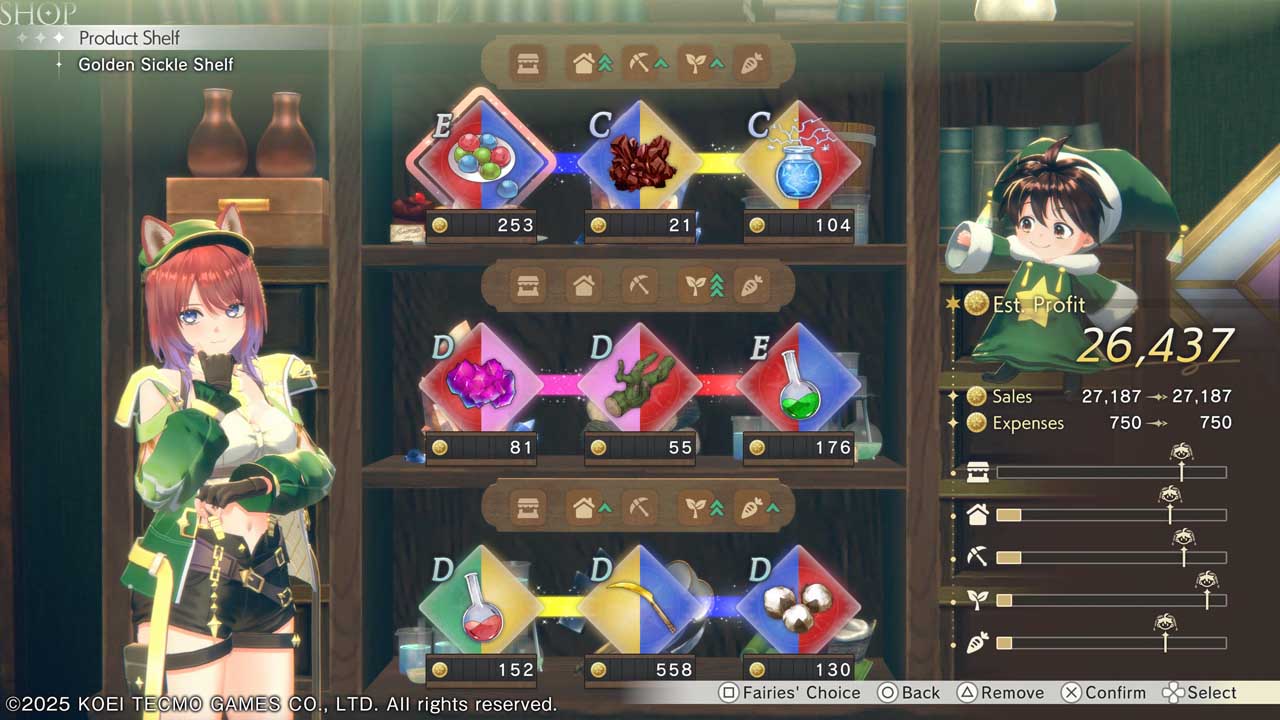
The game follows Atelier’s core flow of completing objectives by exploring, synthesizing, and battling. However, this game has a few additional wrinkles. Players must stock a shop to make money, and raising its level is mandatory to advance the story. The party also must travel into rogue-like inspired dungeons called Dimensional Paths. These paths prevent saving or leaving even though players can otherwise save or fast travel at any time. Although each system feels lightweight on its own, having so many mechanics requires some juggling. The game’s alchemy system is notably less mechanically complex than that of recent Atelier games. However, individual ingredients’ color pairs can still throw some wrenches into players’ plans. Scrolling and filtering through the list of items to sell at the shop also feels a bit clunkier than necessary.
Despite these additional mechanical quirks, however, the game does provide a constant feeling of empowerment. The party constantly accumulates skill points for unlocking passives and skills. Skill lists are straightforward and comprehensive without feeling intimidating. Just like other Atelier games, recipe, ingredient, and gear discoveries can quickly lead to some quantifiable strength boosts, but this game’s sense of discovery feels especially impactful. With features like replicating items, auto-refilling items, having a huge basket, and more, the game strikes a solid balance between having modern conveniences and embracing the series’ idiosyncrasies.
Recent entries like the Atelier Ryza subseries and Atelier Yumia have included more action-based battle systems, but Atelier Resleriana returns to turn-based combat. Tagging out party members between rows via back-to-back attacks is invigorating. However, the battle system can take a while to become appealing as its appeal hinges upon having a full party. Furthermore, fully utilizing the game’s mechanics requires grinding to unlock skills for everyone as newer members are essentially a blank slate, but fortunately the grind moves relatively briskly. Once all of the pieces are in place, the system becomes quite flashy and fun.
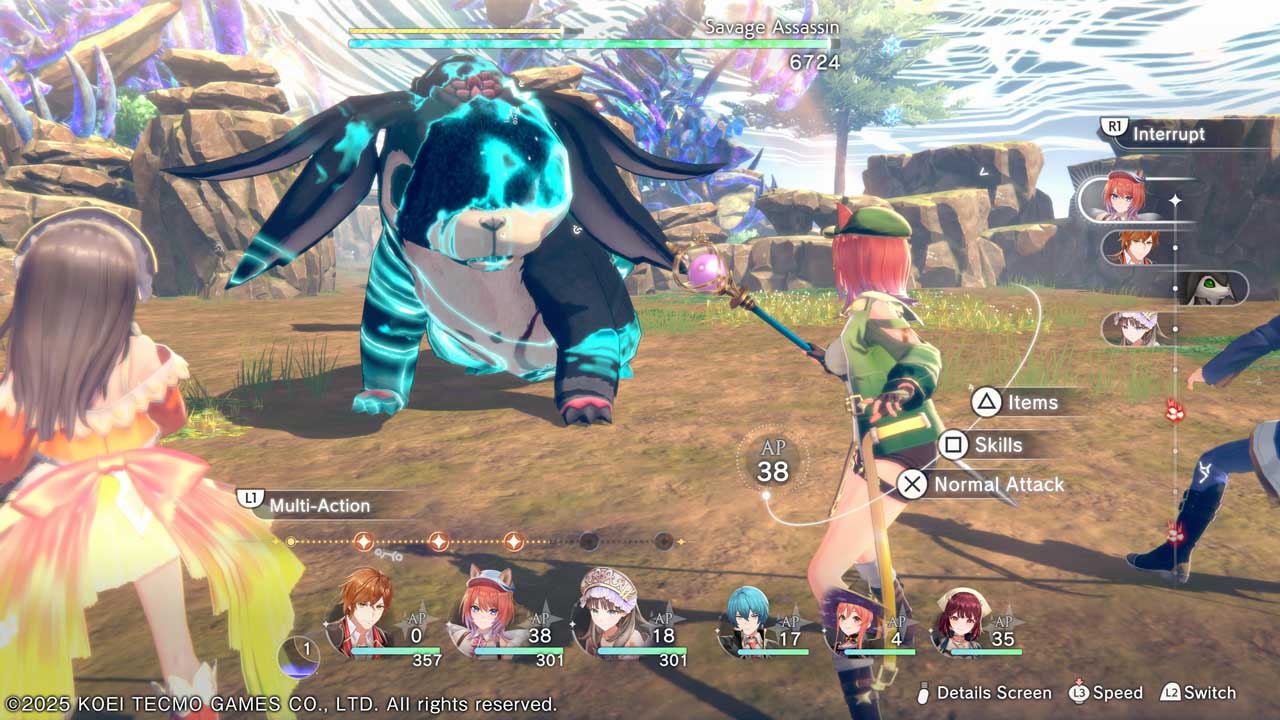
The playable roster may seem somewhat limited and constrained for a game featuring so many Atelier characters. However, the roster fits the battle system and represents four distinct Atelier subseries. Even though their roles overlap a bit, the characters each feel distinct and serve unique purposes. One quirk is that certain bosses can be somewhat overbearing as they can knock out even well-equipped party members quickly. This does force players to utilize all of the game’s mechanics, but the balancing can still be a tad jarring at times. Utilizing the “precision guard” system can really minimize damage and keep party members alive. However, given that the battles are otherwise completely turn-based, it feels a little strange that guarding is the only timing-based element even if the input window is relatively lenient.

While the areas are visually captivating, the level design is perhaps a bit less engaging. They include familiar forested paths and ruins near Hallfein with awe inspiring locales outside of town. Each dungeon is full of surreal otherworldly imagery. However, the map design takes a step back from Atelier Ryza 3’s and Atelier Yumia’s wide-spanning spaces. Furthermore, the traversal process is basic as it amounts to running, swinging onto ledges, and breaking down walls. These maps simply show different colors for hooks and breakable walls, which feels a bit artificial and flat. Players have to revisit areas once they have the matching color. Overall, these areas lack memorable points of interest, which is demonstrated by the dungeons’ boxy rooms with connecting paths. Traversing these dungeons is still fun enough, but each floor feels similar as they lack differentiating traps or other obstacles.
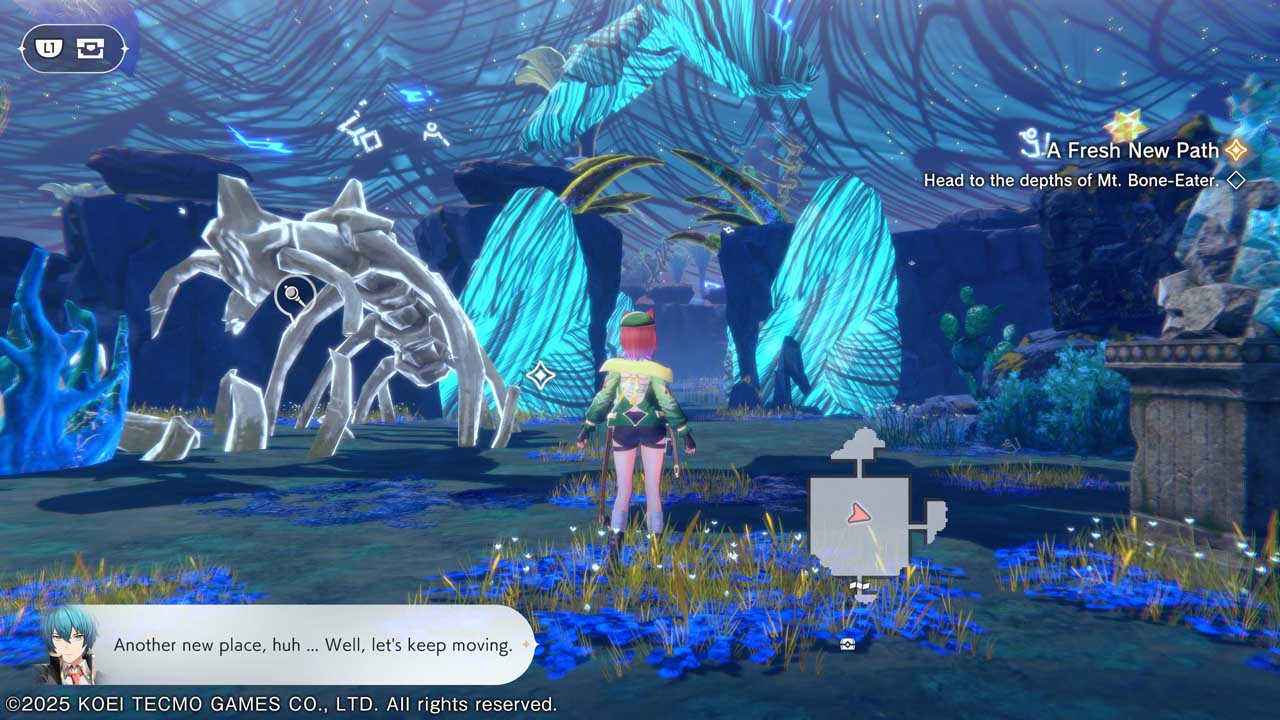
Atelier’s art direction and musical soundscape are among its most distinguishing features, and this game is no exception. The characters are luminous and maintain a vibrant, stylized flair. Their facial expressions and the varied close up camera shots really bolster these cutscenes’ liveliness and appeal. The field songs really accentuate the relaxing nature of these biomes, and the battle songs follow the series’ legacy as they are upbeat and well-crafted while being less intense than those of prior games. Veterans may recognize some returning tunes, too.
Overall, Atelier Resleriana: The Red Alchemist & the White Guardian is a unique crossover title. On the one hand, the sheer number of cameos and references cater to Atelier veterans. However, their favorites may or may not be playable and some mechanics might feel a bit lightweight. On the other hand, newcomers can still approach it as a roleplaying game with added simulation and dungeon crawling mechanics. Even if they do not know Atelier’s history, they can still enjoy it so long as they are not too baffled by these cameos’ appearances. 2025 is shaping up to be a notable year for the whole Atelier series between the tradition-breaking Atelier Yumia, this game, and the upcoming Atelier Ryza DX trilogy. This game will undoubtedly entertain those seeking a turn-based JRPG with some mechanical quirks even if it can be a bit of a haphazard ride.