


Published by NIS America
Reviewed on PlayStation 4 (also available on Nintendo Switch and Steam)
The Caligula Effect returns as The Caligula Effect: Overdose bringing with it new characters, expanded story lines, and game improvements. The new content expands the game and does not feel like an afterthought, but enhances the experience while playing. Game director Takuya Yamanka, in a recent interview on PlayStation’s blog, said, “I didn’t simply want to add new content right on top of the game, so I took care in weaving into the new characters.” That care extends to the betrayal options now available to players and reinforces the story beats that make The Caligula Effect stand out.
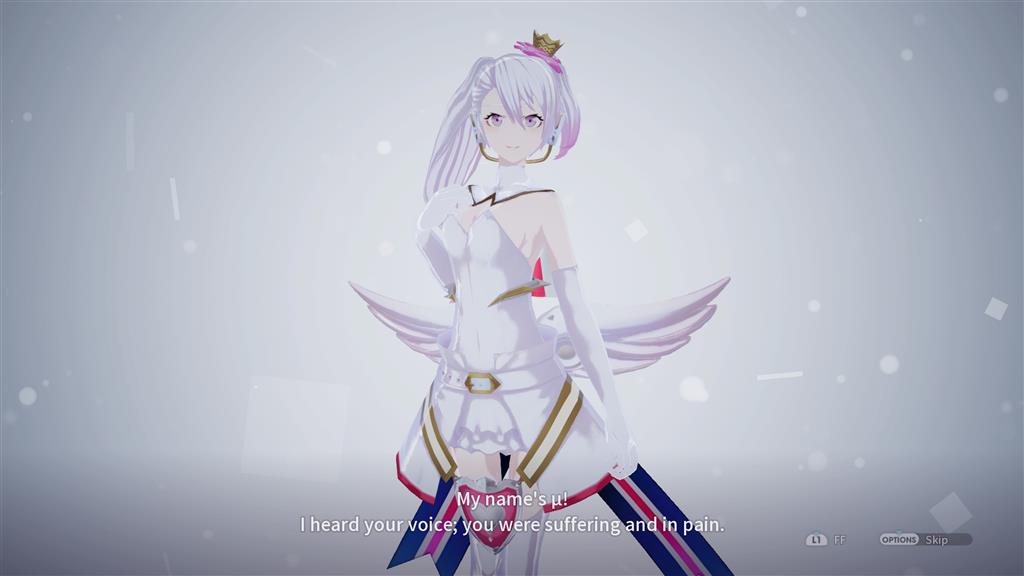 The Caligula Effect: Overdose, puts the player in the role of the protagonist (now with a female option), a student trapped in a virtual world called Mobius. Mobius is a simulation of the average high school experience. Some students have realized that this world is fake and are looking to escape; our protagonist is one of those students. The player is blocked by the world creator, virtuadoll µ (pronounced Mu) and her composers the Ostinato Musicians. µ doesn’t understand why the player would want to leave, as Mobius is an ideal place for its inhabitants as a paradise without the suffering of the real world. During the game the player meets other awakened students who form the Go-Home Club. Mobius’s co-creator, virtuadoll Aria, joins the party early on to help against µ by granting the Go-Home club the abilities needed to fight off Digiheads, the Ostinato Musicians, and lead the player back to reality.
Gameplay is pretty fun. Superficially, the game plays like any JRPG, players explore while navigating maze like levels, interact with NPCs to build friendships, and fight baddies. What sets the game apart is its story and the ability to recruit 500 NPCs all with individual stats into your party. I won’t be spoiling the story here as its best experienced through playing the game. That being said we can definitely get into the games systems.
Let’s start with how the game handles equipment: Stigmas. A Stigma is a physical item in the world of Mobius acquired by either finding them or by defeating enemies. These represent a state of mind and affect your battle stats: Attack Impulse, Defense Instinct, and Amplification. Moving on from the not-equipment equipment, the battle system is a turn based affair with a party of up to four. Game difficulty at the start of the game does affect the challenge, and there are auto battle options for those who prefer to focus on story. For those who like to interact with and strategize during battles, Overdose brings back its unique mechanic: Imaginary Chain.
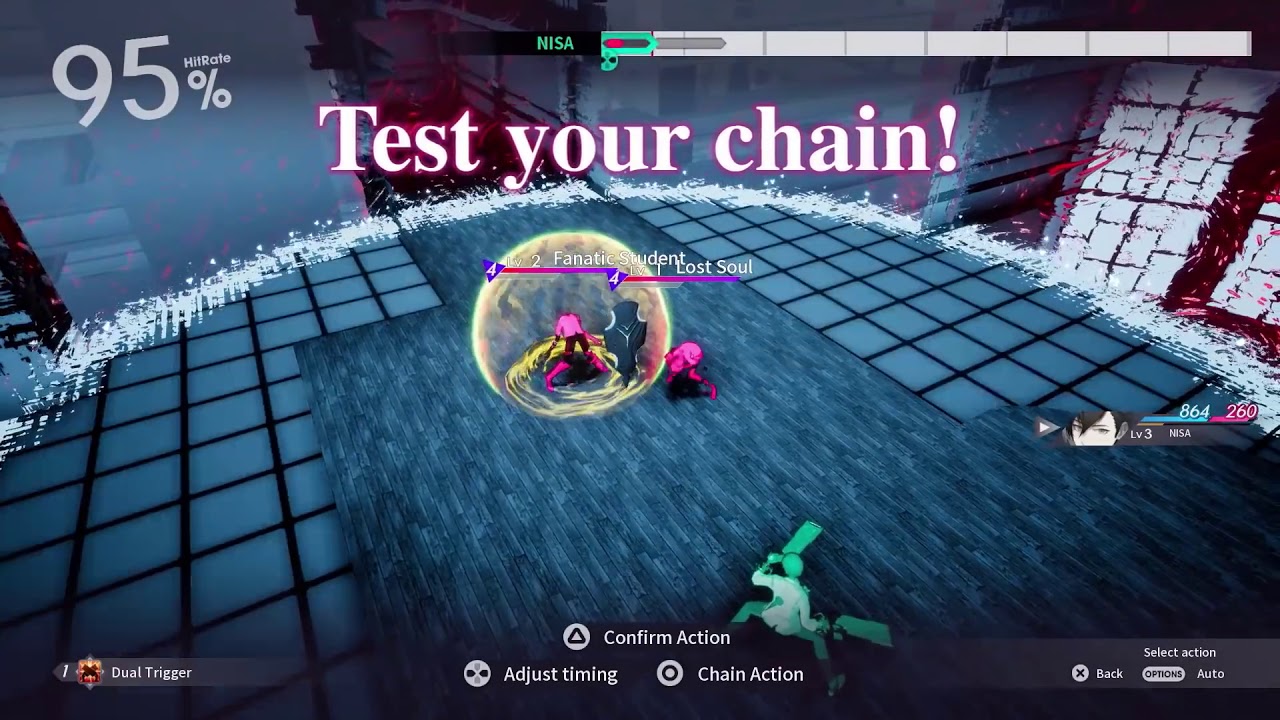 Imaginary Chain is a visual player aid. It previews the potential outcome of battle based on the player’s choices. It is not a perfect prediction tool, the tutorial even warns it may not show the exact outcome of the battle. Accuracy can be affected by in-game variables such as enemies having their turn and moving or interrupting characters by attacking them. Intentionally imperfect predictions aside, Imaginary Chain is a fabulous game mechanic. It gives players a chance to see how attacks can combine and chain off of one another. One of the best details is how different in-game skills require a different amount of time to perform. Imaginary Chain allows the player to tweak that timing too, delaying or speeding up an action for greater effect.
Reminiscent of audio tracks in a music editor, each party member has a track at the top of the screen in addition to being able to watch actions “live” through Imaginary Chain. Whether learning character moves or perfecting a combo, the player can experiment without blindly spending resources and have a second chance to change up their turn before committing to an action. It can be really annoying when you get a broken chain because of something silly, like one character knocking an enemy over before the other gets to attack. It is a refreshing change to a turn based system.
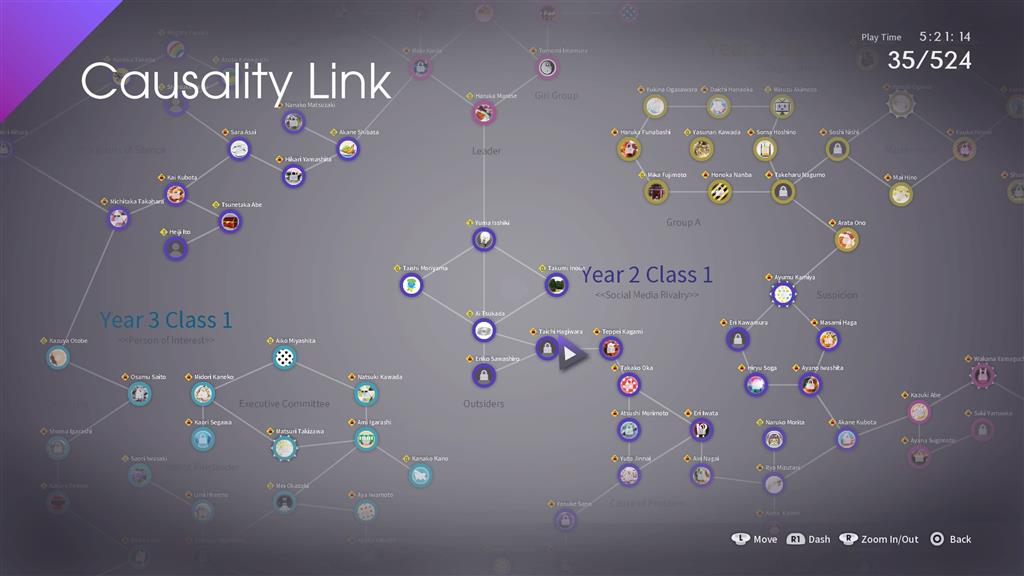 With over 500 characters to recruit in the game, completionists may find themselves at a loss for keeping track of everything. But don’t worry because FURYU has your back with the Causality Link system. It’s a massive web of connections between the NPCs that allow you to explore their relationships and connect with them. The more you talk to them the more you fill out their profile card which can help unlock other characters. For a completionist this is great, it’s a roadmap to 100% completion. While this is a time sink, and it requires a large amount of talking and exploring, meeting all the requirements to obtain characters opens up a pool of options.

The polished graphics are right at home with the current gaming generation: vibrant and clean. The soundtrack is engaging but not distracting from play. The gaming and vocaloid composers involved in production will appeal those who like electronic based music.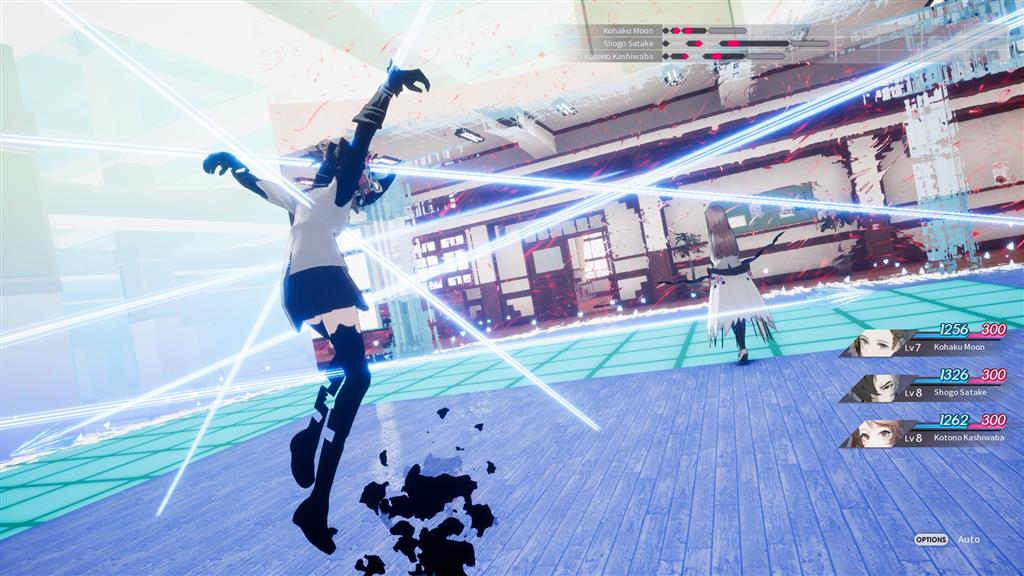
Caligula Effect: Overdose is great for players who don’t mind taking their time and enjoying the game’s narrative and subtleties. Don’t let the game fool you, while it appears flashy like a dungeon crawler or action RPG, strategy RPG fans will find a comfortable fit here. This is a definite addition for JRPG fans and something worth exploring for those not a fan of the genre.
